
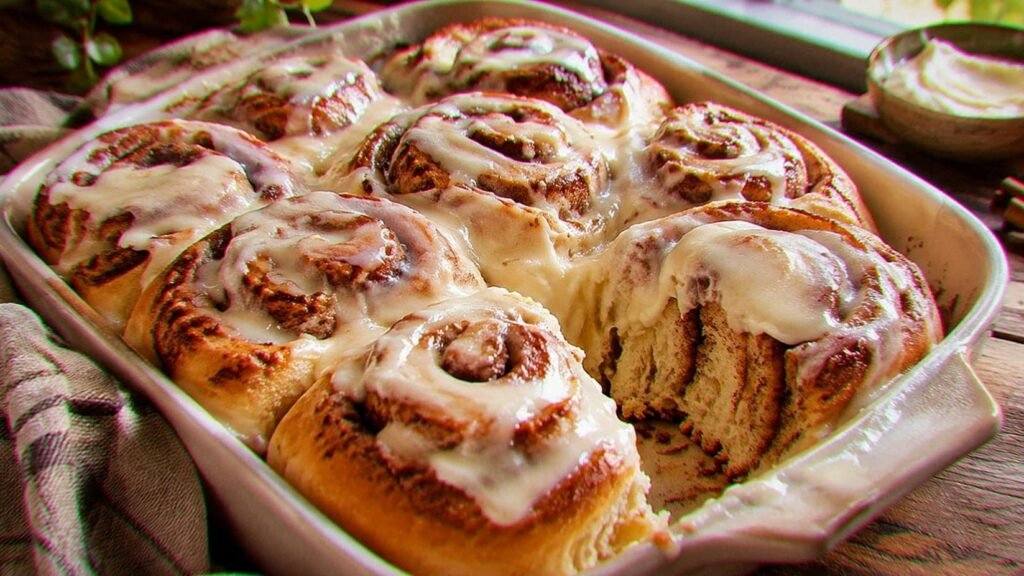
Warm cinnamon rolls are hard to resist, especially when the kitchen fills with the smell of cinnamon and brown sugar. But traditional cinnamon rolls often require extra time for yeast dough to rise.
These Cottage Cheese Cinnamon Rolls offer a quicker alternative. Blended cottage cheese, Greek yogurt, and baking powder make a dough that doesn’t need a long proofing period. Each roll has a buttery cinnamon-sugar filling and a smooth cream cheese icing.
The texture is a little different from traditional yeast rolls. Expect a soft, slightly more substantial bite rather than the airy layers of slow-risen dough.
The key is getting the dough consistency right. This guide covers ingredient measurements, shaping, baking, and practical tips for avoiding sticky dough, dry rolls, or underbaked centers.
Why I Chose This Recipe
I chose to feature these Cottage Cheese Cinnamon Rolls because they offer a practical option for anyone who wants a homemade cinnamon breakfast without waiting for yeast dough to rise.
Using cottage cheese and Greek yogurt also introduces an important detail: moisture. Too much flour can make the rolls dry, while excess liquid can make the dough difficult to shape.
That’s why this guide focuses on accurate ingredient weights, dough texture, and clear baking checks rather than relying on cooking time alone.
Recipe at a Glance
| Detail | Information |
| Prep Time | 20 minutes |
| Bake Time | 20–25 minutes |
| Cooling Time | About 5 minutes |
| Total Time | Approximately 45–50 minutes |
| Yield | 6 cinnamon rolls |
| Oven Temperature | 375°F (190°C) |
| Baking Dish | 8-inch (20 cm) round dish |
| Method | No yeast or proofing |
| Estimated Calories | 335 per roll, including icing |
Table of Contents
Ingredients for Cottage Cheese Cinnamon Rolls
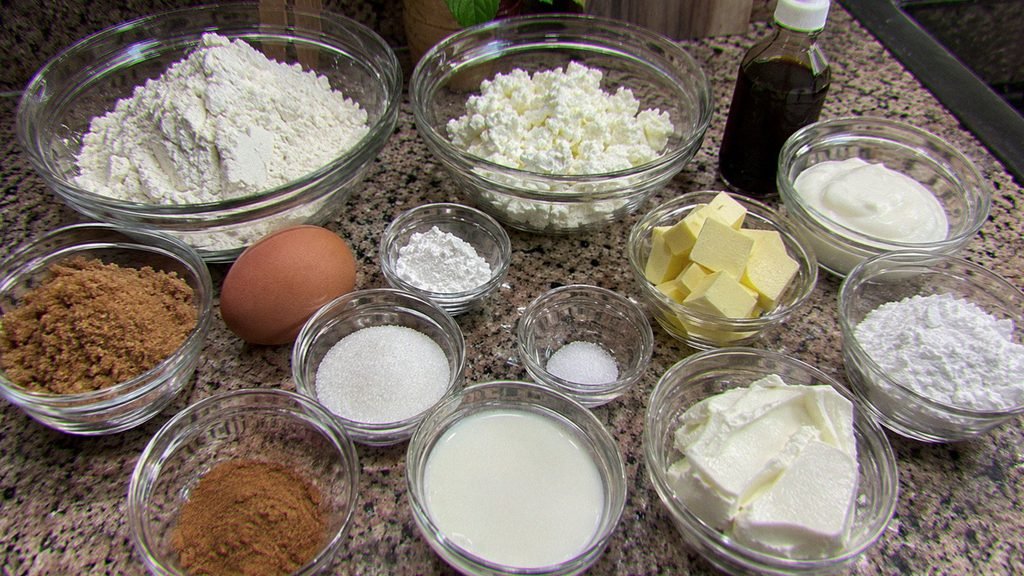
A kitchen scale is particularly helpful for this recipe because cottage cheese varies in moisture content, and too much flour can affect the finished texture.
For the Dough
- 200g (7 oz) cottage cheese
- 30g (2 tbsp) plain Greek yogurt
- 1 large egg, approximately 50g without the shell
- 225g (about 1⅞ US cups) all-purpose flour
- 10g (about 2¼ tsp) baking powder
- 2g fine salt
- 30g (2 tbsp plus 1 tsp) granulated sugar
- ½ tsp vanilla extract
For the Cinnamon Filling
- 30g unsalted butter (about 2 tablespoons); melt it, then let it cool until warm rather than hot.
- 45g (about 3½ tbsp) brown sugar
- 5g (approximately 2 tsp) ground cinnamon
- A small pinch of salt
For the Cream Cheese Icing
- 60g (2 oz) full-fat cream cheese, softened
- 40g (about ⅓ cup) powdered sugar
- 10–15ml (2–3 tsp) whole milk
- ¼ tsp vanilla extract, optional
Allergen information: This recipe contains wheat (gluten), milk, and egg. The optional walnut variation also contains tree nuts. Always check ingredient labels and avoid cross-contact when preparing food for someone with allergies.
Choosing cottage cheese: Look for a thick variety without excessive loose liquid. If liquid has collected in the container, drain off the excess before weighing.
Need to convert an ingredient measurement? Try our Cooking Measurement Converter.
How to Make Cottage Cheese Cinnamon Rolls
Step 1: Prepare the Oven and Baking Dish
Preheat your oven to 375°F (190°C).
Lightly grease an 8-inch (20 cm) round baking dish. You can also line the bottom with parchment paper to make removing the rolls easier.
Have the baking dish ready before preparing the dough so the shaped rolls can go directly into the oven.
Step 2: Blend the Cottage Cheese
Spoon the measured cottage cheese into a blender or the bowl of a food processor.
Blend until mostly smooth, with no large curds remaining.
This helps distribute the cheese evenly throughout the dough and makes the mixture easier to shape.
If some cottage cheese sticks to the sides, turn off the machine and use a spatula to move it back toward the blades. There’s no need to add extra liquid.
Step 3: Mix the Dough
Start by putting the measured flour in a large mixing bowl, followed by the baking powder, salt, and granulated sugar. Give the dry ingredients a gentle mix so the baking powder, salt, and sugar are evenly incorporated into the flour.
Once the dry mixture is evenly combined, tip in the smooth cottage cheese, Greek yogurt, egg, and vanilla extract. Use a spatula to bring everything together, stopping as soon as the last visible patches of flour disappear.
The dough should feel soft and slightly tacky, but manageable with lightly floured hands.
If it sticks heavily, lightly dust the work surface with flour. Add extra flour to the dough only when necessary, about one teaspoon at a time.
Avoid prolonged kneading. Once the dough holds together, stop mixing.
Food safety: This dough contains raw egg and uncooked flour. Do not taste or eat it before baking. Wash your hands, utensils, and work surfaces after handling it.
Step 4: Prepare the Cinnamon Filling
Sprinkle the cinnamon and salt over the brown sugar, then stir briefly to break up any clumps. Gradually work in the warm melted butter until you have a thick, spreadable filling.
If the filling looks too runny, let it sit briefly until it thickens enough to stay on the dough. This helps keep the cinnamon mixture inside the rolls as you shape them.
Step 5: Roll and Shape the Dough
Lightly flour a clean work surface.
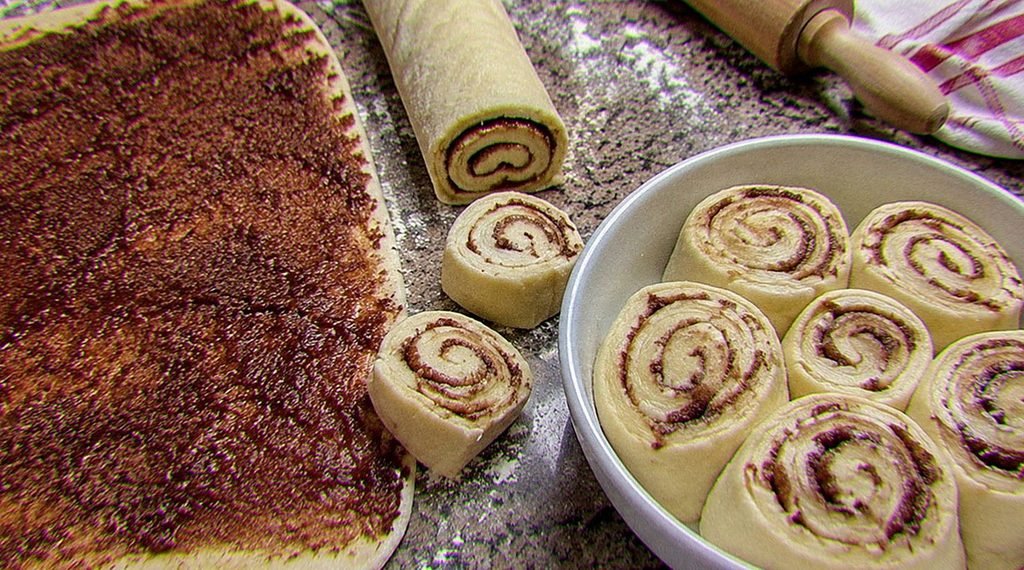
Gently roll the dough into a rectangle approximately 9 × 12 inches (23 × 30 cm).
Spread the cinnamon filling evenly across the surface, leaving a narrow border around the edges.
Cut the dough across its 9-inch side into six strips, each approximately 1½ inches (3.8 cm) wide and 12 inches (30 cm) long.
Roll each strip into a spiral without stretching it too tightly.
Arrange the six rolls in the prepared baking dish, leaving a little room between them.
Helpful tip: If the strips stick to the work surface, use a thin spatula or dough scraper to lift them instead of pulling on the dough.
Step 6: Bake Until the Centers Are Cooked
Let the rolls bake for 20–25 minutes, checking for a light golden color on top and making sure the dough in the center is fully cooked.
Begin checking after 20 minutes.
Look between the inner spirals. The dough should appear set, without wet or raw-looking sections.
For an additional doneness check, insert an instant-read thermometer into the dough near the center of a middle roll, avoiding the cinnamon filling.
An internal temperature of approximately 190°F (88°C) can be a useful guideline for cinnamon rolls, alongside checking that the dough is fully cooked.
If the tops brown too quickly, loosely cover the baking dish with aluminum foil and continue baking in short intervals.
Baking time may vary depending on your oven, roll thickness, and the moisture content of the cottage cheese.
Step 7: Make the Cream Cheese Icing
While the rolls bake, beat the softened cream cheese and powdered sugar together until smooth.
Add 10ml (2 tsp) milk and the optional vanilla extract.
Mix until creamy. If the icing is too thick to drizzle, gradually add the remaining milk.
For a thicker topping, use less milk.
Step 8: Cool Slightly and Serve
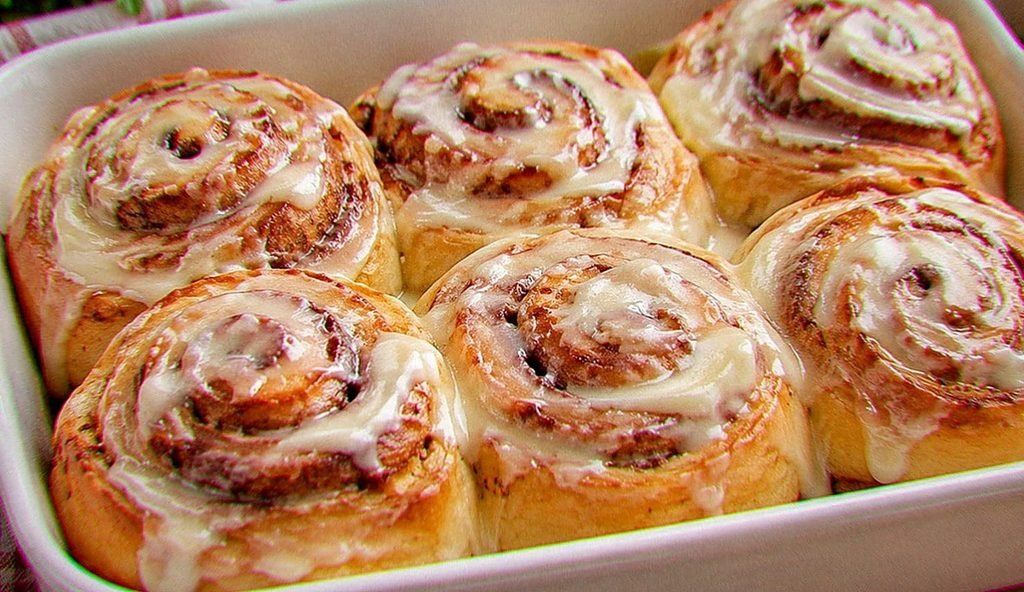
Once the rolls are fully baked, take the dish out of the oven and leave it on a heat-safe surface for about 5 minutes before adding the icing.
Spread or drizzle the cream cheese icing over the warm rolls.
Waiting a few minutes helps the icing soften without immediately melting into a thin liquid.
Serve warm.
Tips for Soft, Well-Shaped Cinnamon Rolls
A few small details can make a noticeable difference when preparing quick, no-yeast dough.
Measure flour by weight. Scooping flour directly from the bag can pack more into the measuring cup than intended, leaving the dough too firm and the baked rolls dry.
Blend the cottage cheese first. A smoother mixture combines more evenly and helps prevent large curds in the dough.
Handle the dough gently. Mix just until everything comes together. Excessive kneading can make the rolls tougher.
Keep the filling spreadable. Slightly cooled butter makes the cinnamon-sugar mixture easier to distribute without excessive leakage.
Check the centers carefully. A golden surface doesn’t always mean the middle is fully baked.
Expect a different texture from yeast rolls. Baking powder speeds up preparation, but it doesn’t produce exactly the same airy structure as yeast-raised dough.
Easy Cinnamon Roll Variations
Small additions can change the flavor without replacing the classic cinnamon filling.
Raisin Cinnamon Rolls
Sprinkle 25g (about 3 tbsp) finely chopped raisins over the cinnamon filling before rolling.
If the raisins feel dry, soak them briefly in warm water, then drain and pat them dry.
Walnut Cinnamon Rolls
Add 25g (about ¼ cup) finely chopped walnuts over the filling.
Small pieces are easier to roll into the dough and add a pleasant crunch.
Variation tip: Keep additions modest so the dough strips remain easy to roll. Raisins and walnuts will also change the estimated nutrition per serving.
Common Problems and How to Fix Them
Why Is My Dough Too Sticky?
Different cottage cheese brands contain different amounts of moisture.
Start by lightly flouring your hands and work surface. If the dough remains difficult to handle, add extra flour gradually rather than all at once.
The goal is a soft, manageable dough, not a firm or dry one.
Why Are My Cinnamon Rolls Dry?
Too much added flour or excessive baking time may be responsible.
Weigh the flour carefully and begin checking the rolls near the start of the recommended baking window.
Why Are the Centers Still Doughy?
The rolls may be too thick, packed too closely, or in need of more time in the oven.
Continue baking in short intervals until the centers are fully cooked. Cover the tops loosely with foil if they’re browning too quickly.
Why Does the Filling Leak Out?
A small amount of cinnamon-sugar filling collecting at the bottom of the pan is normal.
To reduce excessive leakage, avoid using very hot butter and spread the filling evenly without overfilling the spirals.
Storage, Freezing, and Reheating
How to Store Leftovers
Because these cinnamon rolls contain cream cheese icing, refrigerate leftovers in an airtight container at 40°F (4°C) or below.
Refrigerate within two hours of preparation and use within 3–4 days.
Can You Freeze Cottage Cheese Cinnamon Rolls?
Yes. For easier storage, freeze the baked rolls without icing.
Let them cool completely, wrap each roll tightly, and place it in a freezer-safe container or bag.
For best quality, aim to use them within one month.
Thaw overnight in the refrigerator, reheat gently, and add the cream cheese icing before serving.
How to Reheat
Warm individual rolls in the microwave in short intervals until heated through.
Avoid overheating, which can make the dough tough or dry and cause the icing to melt.
For more information, see the USDA’s guidance on safely handling leftovers.
Estimated Nutrition Per Roll
This recipe makes 6 cinnamon rolls.
The following values are estimates calculated from the listed ingredients using USDA FoodData Central reference values, including the cream cheese icing.
| Nutrient | Per Roll |
| Calories | Approximately 335 kcal |
| Protein | 10g |
| Total Fat | 10.5g |
| Saturated Fat | Approximately 6g |
| Carbohydrates | 50g |
| Dietary Fiber | Approximately 1.4g |
Without the icing: Each roll contains approximately 273 calories.
Actual nutrition varies depending on ingredient brands, particularly the fat content of the cottage cheese, Greek yogurt, and cream cheese.
The estimate assumes six equal portions and that all the cinnamon filling and icing are consumed. Optional raisins and walnuts are not included.
Nutrition reference: USDA FoodData Central.
Frequently Asked Questions
Do Cottage Cheese Cinnamon Rolls Taste Like Cheese?
Cottage cheese has a mild flavor, especially when blended into dough.
Cinnamon and brown sugar provide most of the flavor, while the cream cheese icing adds a sweet, creamy finish.
Can You Make Cinnamon Rolls Without Yeast?
Yes. This recipe uses baking powder for lift, so there’s no traditional yeast-rising period.
The finished texture will be slightly more substantial than yeast-raised cinnamon rolls.
Can I Use Low-Fat Cottage Cheese?
You can try it, but moisture and fat content vary between brands.
Start with the listed amount of flour and adjust only if the dough is excessively sticky.
How Much Protein Is in Each Roll?
Each roll provides approximately 10 grams of protein, including the icing.
Although cottage cheese is a key ingredient, flour contributes a similar amount of protein to the batch, while the egg and Greek yogurt provide smaller amounts. Actual values depend on the ingredients used.
Can I Leave Out the Cream Cheese Icing?
Yes. The cinnamon filling provides sweetness on its own.
You can serve the rolls plain, dust them lightly with powdered sugar, or offer the icing separately.
Can I Prepare the Dough the Night Before?
For the most predictable rise, mix and bake the dough on the same day.
Baking powder begins reacting when it comes into contact with wet ingredients, so refrigerating prepared dough overnight may affect the finished texture.
To save time, measure the dry ingredients in advance and prepare the cinnamon filling separately.
Final Thoughts
These Cottage Cheese Cinnamon Rolls offer a convenient way to enjoy a warm cinnamon breakfast without spending hours waiting for dough to rise.
The most important details are simple: blend the cottage cheese, measure the flour carefully, handle the dough gently, and check that the centers are fully baked.
Finish with cream cheese icing and serve warm for a cozy breakfast or weekend brunch.
For another breakfast idea, explore our Easy Breakfast Pizza Recipe. You can also adjust ingredient quantities with our Recipe Serving Size Calculator.
Leave a Reply